

Key UK green-tech innovation needs government backing to compete with EU manufacturers
RedCAT helps to take post-prototype green-tech innovations across the challenging “Valley of Death” commercialisation gap to success in UK and global markets. As a highly skilled supply chain partner, Graham Engineering (GEL) provides support to make this transition faster, smarter and more efficiently, reducing bottlenecks by sharing lessons learned from blue chip projects with clean-tech entrepreneurs.
Manufacturing solutions
“Quality is not achieved by chance.” It requires care, time, close customer collaboration and continuous investment in advanced processes, skills and technologies. Through GEL’s Design for Manufacture approach, the company ensures consistency, precision and successful outcomes across the entire product life cycle.
This was the philosophy of time-served engineer Corry Graham, who founded Graham Engineering Limited (GEL) in 1970 as a one-man company with a radically different outlook that continues to serve forward-looking Lancashire businesses today.
This highly technical manufacturing company now employs 180 highly skilled specialists in Nelson and delivers advanced manufacturing solutions across modern UK Tier 1 industries including nuclear, defence, security, aerospace and medical, as well as supporting upstream Tier 4 suppliers.
Great and small – symbiotic benefits
Driven by principles including efficiency, cost effectiveness, time compression, persistence and inventive curiosity, a key priority for GEL is to keep its workshops fully engaged.
This involves running major programmes while also supporting projects outside traditional scopes, offering bespoke advice and consultancy to innovators, start-ups, spinouts and SME ventures.
The result is a continuous transfer of expertise and knowledge from high value projects, alongside the development of smaller scale solutions with the potential to grow and scale.
RedCAT and friends
It is also a natural match with RedCAT’s mission to take promising green-innovations trapped on the wrong side or the infamous “Valley of Death” on to successful commercialisation in world markets.
RedCAT supports proof-of-concept clean-tech innovation models with well-defined UK and global end-users through the full rigours of commercialisation – with a particular focus on the funding, technical and business development, plus scaling needed to achieve ambitious sales targets.
However, while its methodology is unique – and well-documented in case studies – RedCAT is also part of a wide regional collaborative industrial community that creates pragmatic solutions for practical problems which could mean a make-or-break difference for a green-innovation successes.
“Graham Engineering work in environments with unimaginable needs for precision and reliability, in sectors from space to nuclear, RedCAT is a proud partner supporting their low carbon technology innovations and their valuable place in the local, regional and national supply chain,” says RedCAT CEO Professor Miranda Barker OBE DL.
Contracting for success
Although RedCAT has its own in-house scientific, technical, and business mentors and consultants who work very closely with its innovator-clients, the option to partner with experts such as Graham Engineering can potentially bring success a valuable step closer.
To appreciate how this works, it is important to understand why contractors need to be accountable, transparent, proactive and communicative, the different markets they work in, the strict technical standards they must adhere to, plus safety imperatives and regulatory compliance.
At the same time – as Graham Engineering shows – it is vital to be hands-on, flexible, inventive, constantly learning, extremely time and cost conscious, and able to work on both a very large and a very small scale.
Hunting for problems to solve
“We encourage customers to discuss their current challenges with GEL, whether they are complex manufacturing issues or supply chain constraints,” explains Sales Manager Michael Hubbert.
“For example, we are often asked whether we can weld unusual components using our large capacity 3D robotic laser welding systems. Our approach is to explore the opportunity fully, working collaboratively with customers through trials and prototyping, progressing through to production where viable.”
A recent example included the successful development of a small fuel tank for a satellite booster rocket, manufactured to demanding technical standards and successfully launched in 2025.
Major industrial organisations also utilise GEL’s specialist capabilities when their own internal capacity is constrained, effectively using GEL as an extension of their manufacturing capability within the supply chain.
In addition, many of the high integrity components produced by GEL are designed for extremely long service lives, with nuclear waste containers expected to perform for up to 350 years.
The swiftest routes to success
“Uniquely, GEL brings together a broad range of advanced manufacturing techniques and processes in-house, enabling us to reduce development time and identify the most effective route to production,” adds Michael.
“This allows us to reduce costs, improve scalability and manage risk more effectively. Our engineering experience also enables us to identify potential issues early in the manufacturing process, recommend proven alternatives, and ensure all solutions meet the required technical standards and specifications.”
A 55-year technical journey from small beginnings
GEL operates as a manufacturing partner within some of the UK’s most highly regulated and safety critical industries, delivering precision engineered components where quality, traceability and reliability are essential. This capability is equally valuable to SME innovators navigating new markets.
From its origins as Graham Sheetmetal, providing repair and replacement services to local companies, GEL has grown into a 340,000 sq ft agile manufacturing operation specialising in high integrity machined, welded and fabricated components in stainless steel and exotic alloys.
The business quickly established a reputation for quality and reliability, outgrowing its first two sites within 10 years.
Continued investment and forward planning have enabled sustained growth, allowing GEL to meet increasing customer demand while maintaining production stability. Ongoing investment in advanced technology remains central to its success.
Capabilities
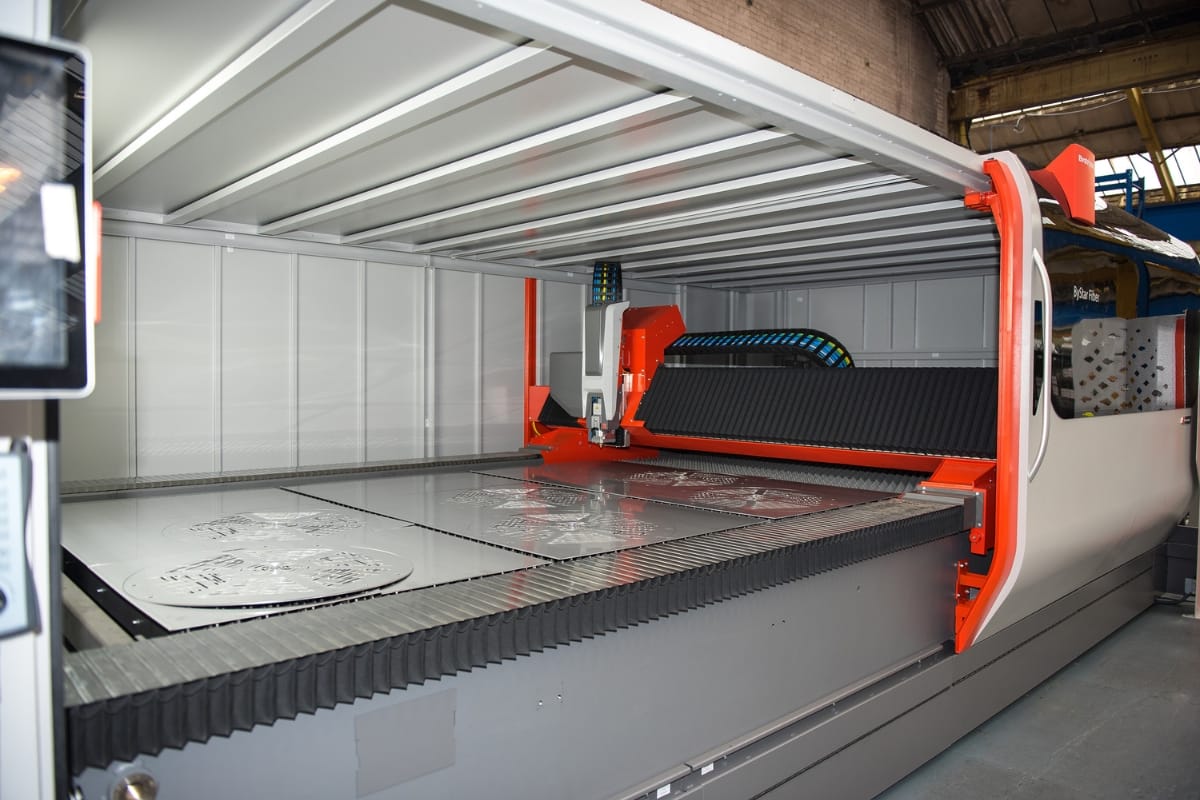
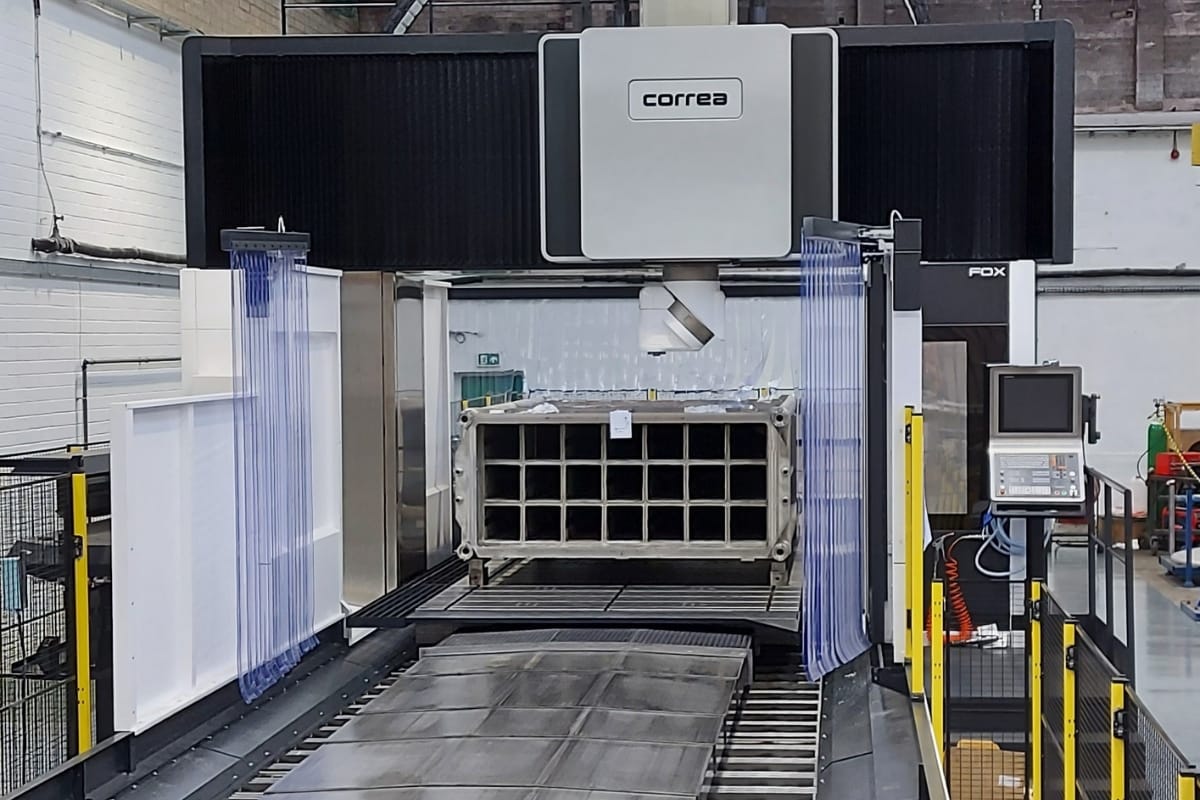
GEL’s capabilities span the full manufacturing lifecycle, from concept and design through to testing, 5-axis machining and laser profiling with multi-axis robotic welding.
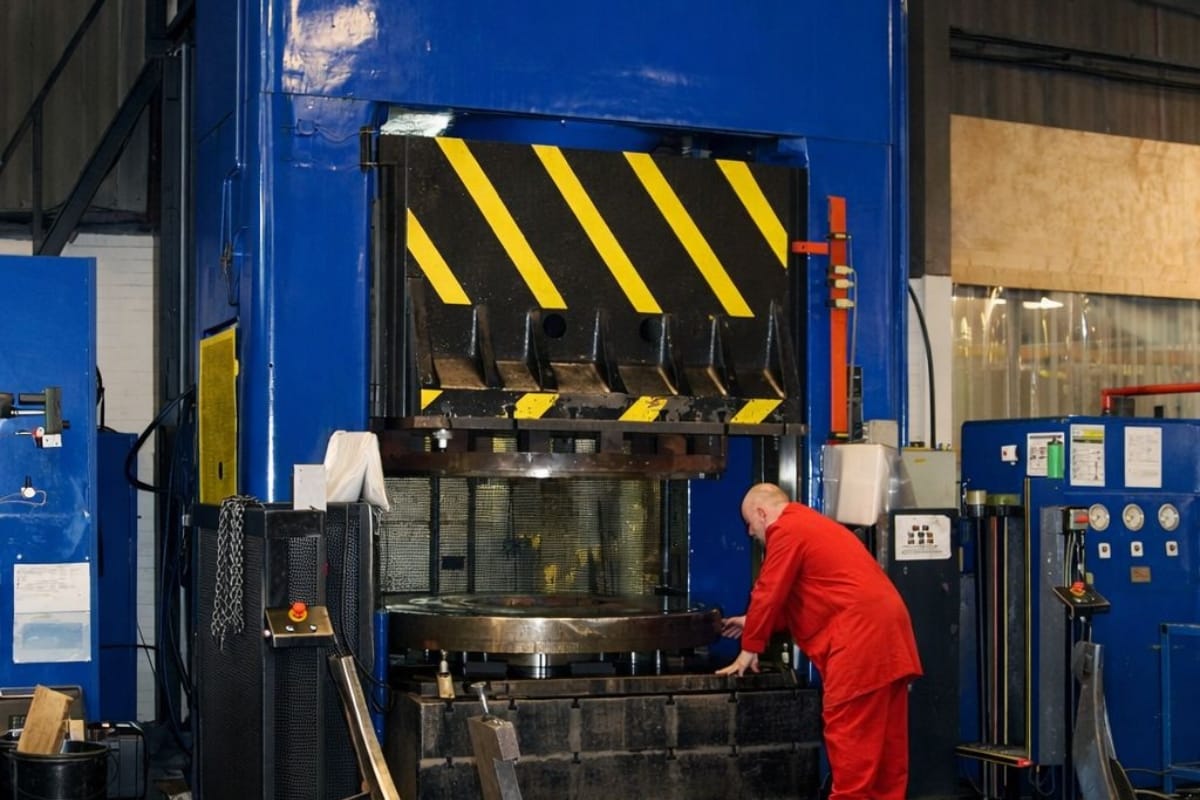
Additional processes include large deep drawn pressing, forming, fabrication across multiple welding disciplines, surface treatments such as vaqua blasting, polishing, CMM inspection and final assembly.
These capabilities are supported by non-destructive testing, including x-ray and dye penetrant inspection, alongside permanent product identification through laser engraving technology.
Choosing a supply chain partner
An engineering subcontractor is an independent organisation engaged to deliver specialist services within a wider project, supporting manufacturers and product developers on a project-by-project basis.
Typical services include stainless steel fabrication and machining, full product delivery, and the manufacture of precision components ready for integration.
These partnerships are a critical component of a successful and resilient supply chain.
Benefits
Working with experienced engineering partners offers several key advantages:
- Access to highly-skilled specialist teams, enabling reliable delivery, and supporting long-term growth
- Continuous investment in advanced technologies, ensuring capability and competitiveness
- End-to-end manufacturing processes delivered in-house
- Greater control through consistent quality, scheduling and compliance
Such organisations are also well positioned to manage:
- Fluctuating demand and financial pressures
- Complex project schedules and competing priorities
- Tight deadlines and evolving customer requirements
- High levels of risk, compliance and accountability
